Escarole and Beans
- Nick France
- May 16, 2026
- 9:29 pm
- 0 comments
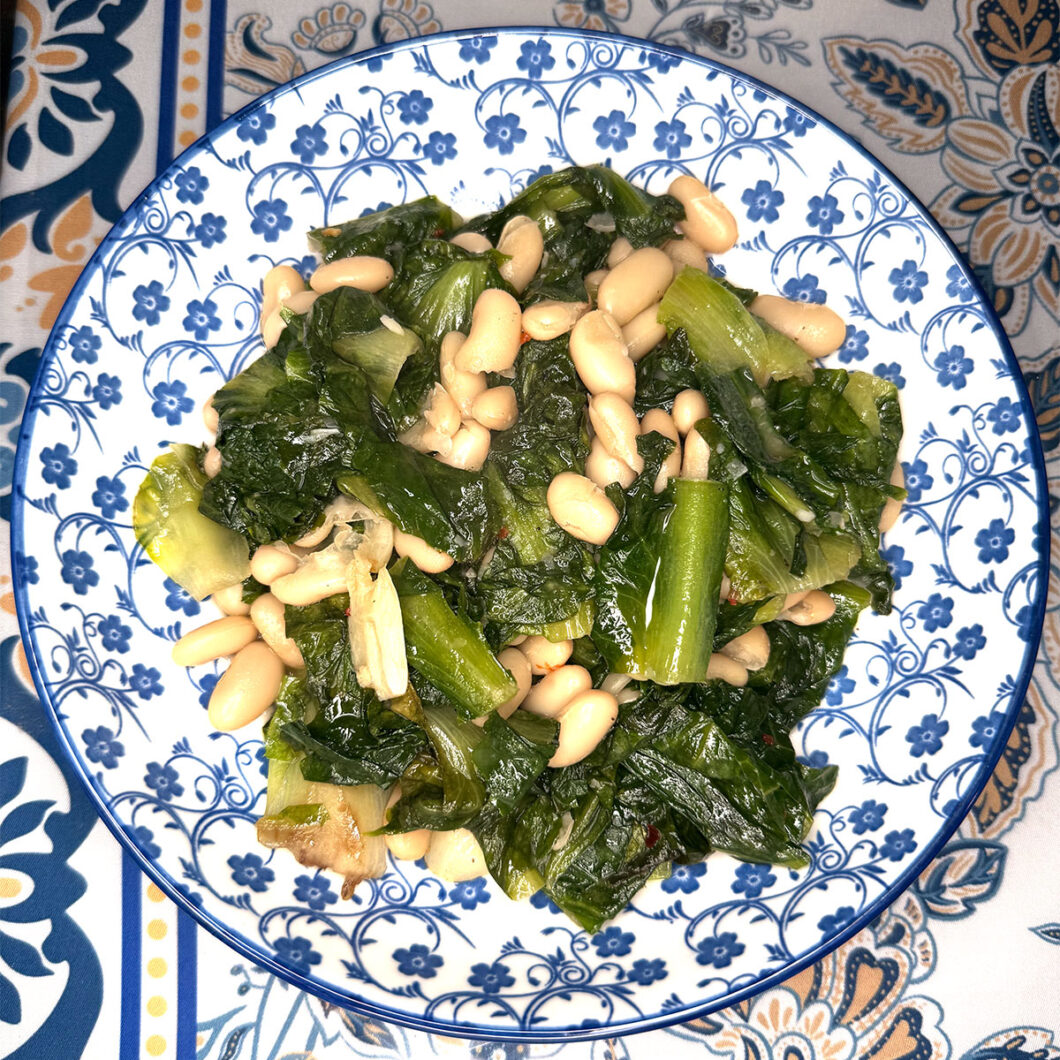
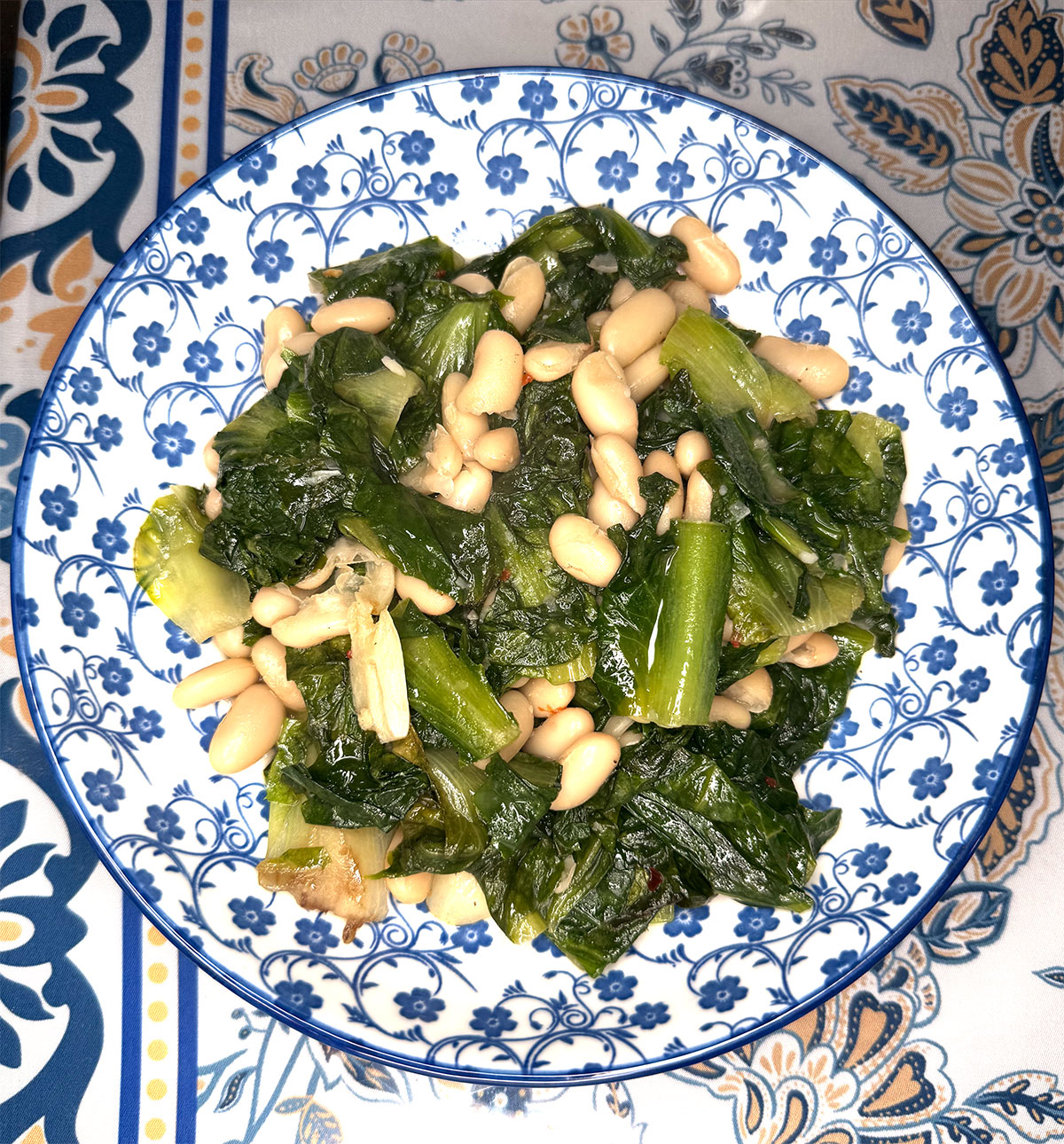
Escarole and Beans, or Scarola e Fagioli, is a classic example of Italian Cucina Povera — humble ingredients transformed into something deeply comforting and satisfying. Tender escarole is simmered with cannellini beans, garlic, olive oil, and red pepper flakes to create a rustic dish that is both nourishing and full of flavor. Simple, hearty, and rooted in tradition, this is the kind of meal that has been served in Italian homes for generations.
Whether enjoyed on its own or with crusty bread and grated Parmigiano Reggiano, Escarole and Beans proves that great Italian cooking has never depended on expensive ingredients — only thoughtful preparation and balance.
What Makes This Dish Special
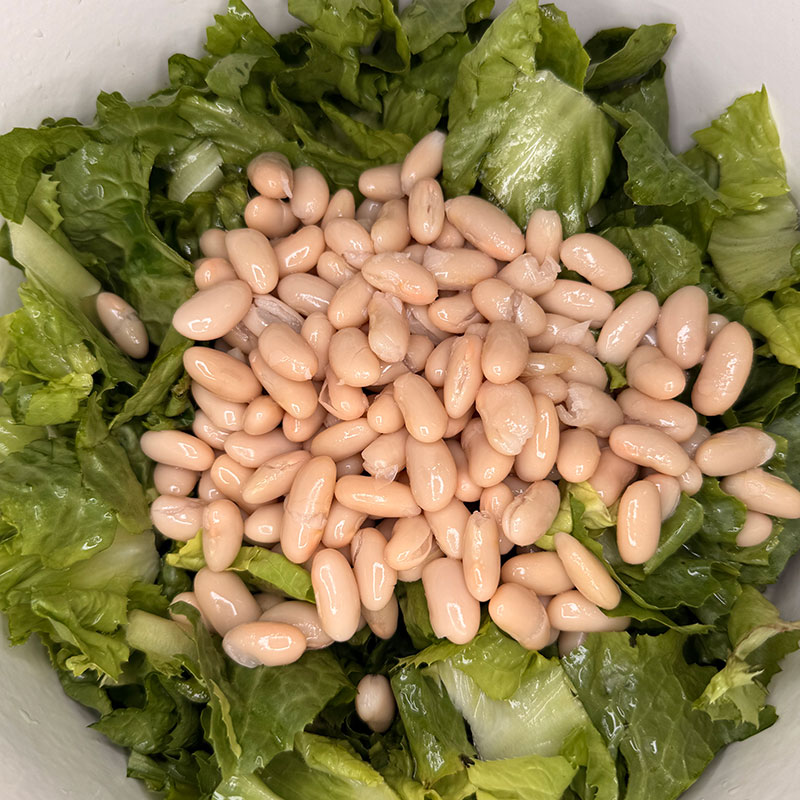
What makes Escarole and Beans special is its simplicity and honesty. The slight bitterness of escarole balances beautifully with the creamy texture of cannellini beans, while garlic, olive oil, and red pepper flakes bring warmth and depth without overwhelming the dish.
This recipe embodies the philosophy of Cucina Povera: creating satisfying meals from humble pantry staples and seasonal greens. It’s comforting food with purpose — nutritious, affordable, and designed to waste nothing while delivering maximum flavor.
Keep the screen of your device on
Escarole and Beans
 Recipe by Nick France
Escarole and Beans, or Scarola e Fagioli, is a classic example of Italian Cucina Povera — humble ingredients transformed into something deeply comforting and satisfying.
4
servings10
minutes30
minutesIngredients
1 large bunch Escarole
2 cans Cannellini beans, undrained
2 tbsps Extra Virgin Olive Oil
3 cloves Garlic
1/2 tsp Crushed red pepper flakes
Salt and pepper to taste
Directions
- Add olive oil to a large pot over medium heat.
- Once hot, add garlic and red pepper flakes and sauté for about 5 minutes, until softened and fragrant.
- Add the escarole to the pot. Cover and cook until the escarole is completely wilted, about 5 minutes.
- Remove the cover, then add the cannellini beans with the bean liquid. Stir to combine and cook uncovered for 15 more minutes.
- Season to taste with salt and pepper. Serve warm with crusty bread, extra red pepper flakes, and freshly grated Parmigiano Reggiano cheese. Drizzle some extra virgin olive oil to finish.
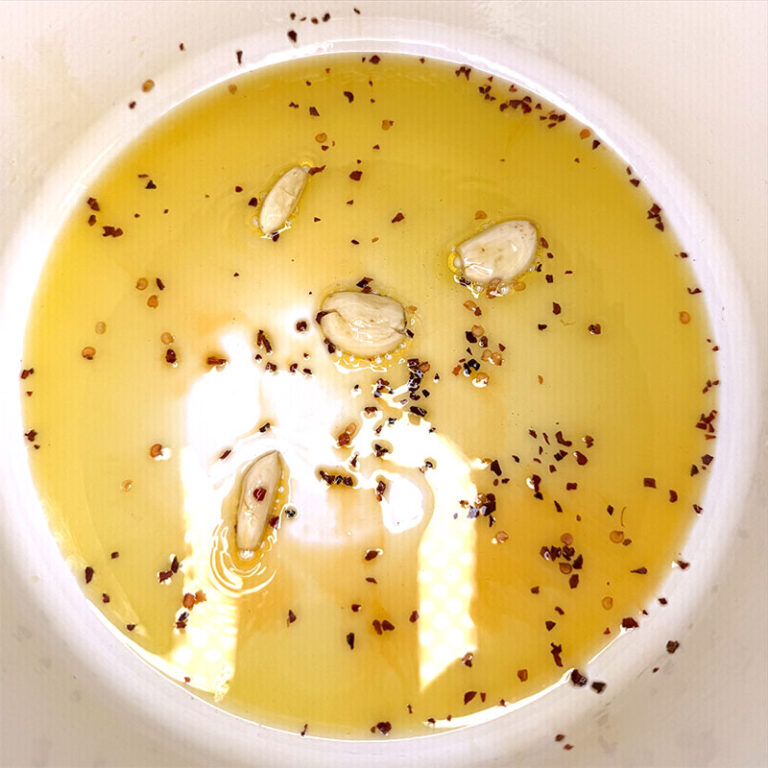
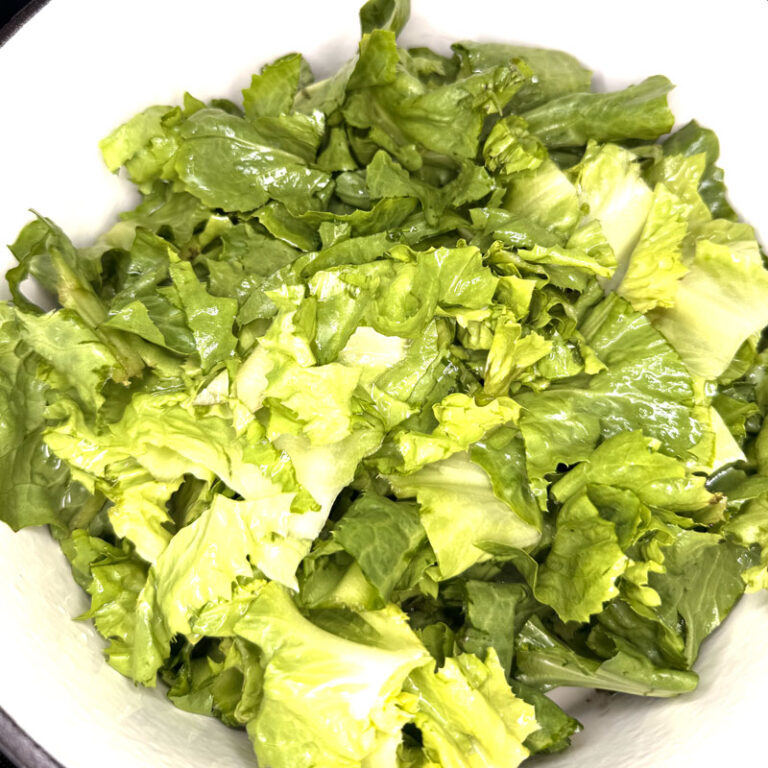
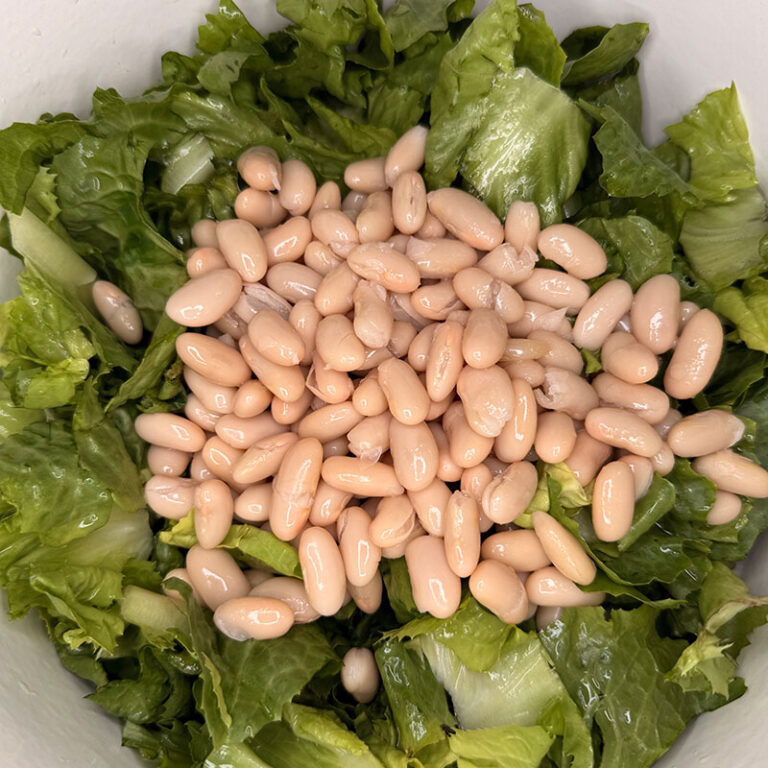

Recipe Video
Notes
- Don’t overcook the escarole: It should be tender but still vibrant. Overcooking can dull both the flavor and texture.
- Use the bean liquid: The liquid from the cannellini beans helps create body and depth in the broth without needing additional ingredients.
- Adjust the heat carefully: Red pepper flakes should add warmth, not overpower the greens and beans.
- Finish with good olive oil: A drizzle of extra virgin olive oil before serving adds richness and brings the dish together.
- Serve with crusty bread: This dish was made for bread — perfect for soaking up the flavorful broth at the bottom of the bowl.
- Parmigiano Reggiano adds balance: The cheese softens the bitterness of the escarole and adds a savory finish.
- This dish gets even better over time: Leftovers often taste richer the next day as the flavors continue to develop.
Wine Pairing:
Best Pairing: Pinot Grigio
Why This Pairing Works
Pinot Grigio pairs beautifully with Escarole and Beans because its crisp acidity and clean finish balance the richness of the beans and soften the slight bitterness of the escarole. Its light body keeps the dish feeling rustic and fresh without overpowering the simplicity that makes it special.
This is a pairing built on restraint and harmony — exactly the way Cucina Povera intends.
La Pasta Bowl House rule: When a dish is simple, rustic, and vegetable-forward, choose a wine that refreshes and complements rather than dominates.

La Pasta Bowl Note on Cucina Povera
Escarole and Beans is a reminder that some of the best Italian dishes were born from necessity, not luxury. A few simple ingredients, treated with care, can create a meal that feels complete, comforting, and timeless.
As always, don't just make this recipe; experience it. This isn't just a meal—it's a moment. A chance to slow down, savor a timeless flavor, and share it with those you love. So, put on some music, pour a glass of wine, and let the aroma fill your kitchen. Because, as I always say, "to eat well is to live well," and this dish is the perfect place to start.
Buon appetito!
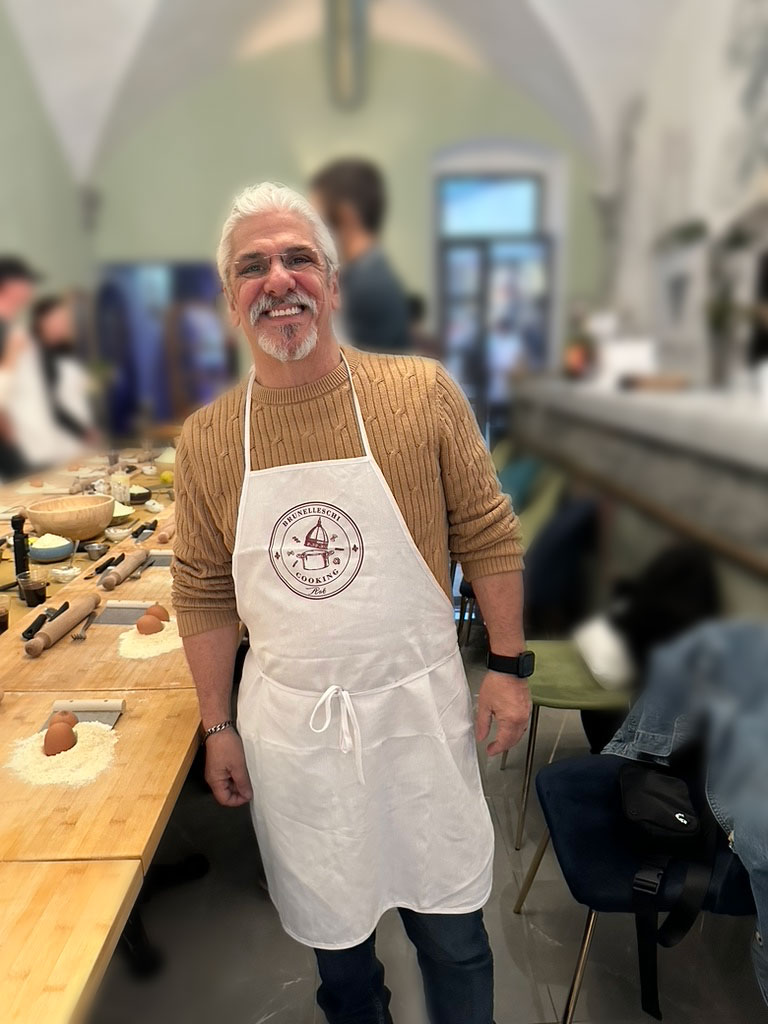
Ciao a tutti! I’m Nick, an Italian-American home chef with roots in Brooklyn and Long Island. My love for cooking began in the kitchens I grew up in. For me, it's about sharing my family and heritage with you.